In the world of football, pain is often worn like a badge of honour. “Play through it,” “no pain, no gain,” and other clichés have cemented themselves in the culture for decades. But as a former semi-pro footballer turned musculoskeletal physio assistant with over a decade spent around players, changing rooms, and rehab bays, I’m here to say: chasing zero pain isn't just unrealistic – it can be downright harmful.
Let’s dig into exactly what separates chronic pain management from the dangerous pursuit of eliminating all pain, why that matters for long-term outcomes like osteoarthritis, and how we can use evidence-backed tools, including guidance from UK Anti-Doping (UKAD), and emerging pathways like medical cannabis in private clinics, to build better, function-based goals that make sense on and off the pitch.
The Football Culture and Stigma Around Reporting Pain
When I was lacing up my boots weekly, reporting pain was a fine line walk. Admit to pain, and you risk being labelled weak or letting your team down. Ignore it, and the pain sometimes magically “goes away” – or so you hope. Behind the scenes, though, what often happens is that the body is crying out, and we’re just getting better at ignoring the noise.
- Players rarely get taught how to report pain in a way that helps their recovery. Coaches sometimes punish players mentally or bench them if they admit pain. Many players “play through pain,” masking symptoms with strapping, painkillers, or just brute force.
This culture leads to long-term problems like persistent pain and early development of osteoarthritis, often triggered by imperfect healing, cumulative loading, and central nervous system changes (more on that soon).
Chronic Pain Vs Chasing Zero Pain: Why Does It Matter?
First, we need to understand what chronic pain management really means, and why “zero pain” as an objective can actually set players up for failure.
What is Chronic Pain Management?
Chronic pain management is a comprehensive, realistic approach to living with ongoing pain. It is focused on:
- Function-based goals: What activities can you do despite pain? Improving quality of life: Sleep, mood, movement, and participation. Accepting some discomfort: Recognizing that pain does not always mean harm. Using active rehab: Graded exercise and strengthening rather than pure rest.
What about chasing zero pain?
Chasing zero pain means trying to be 100% pain-free before returning to play or resuming normal activities. This approach often leads to:
- Excessive rest or over-reliance on passive treatments: Ice, anti-inflammatories, or even invasive interventions without addressing strength or neural adaptations. Frustration and mental health issues: Because zero pain may not be achievable in the short (or sometimes long) term. Reinjury or compensation patterns: Players might avoid certain movements or overload others, causing new problems.
The Mechanisms Behind Persistent Pain in Footballers
To understand why chasing zero pain can be unrealistic, let’s talk mechanisms. Chronic pain after injury or long-term wear can be explained by a few key factors:
Mechanism What it means in everyday language How it affects pain Imperfect Healing Tissues like muscles, tendons, or cartilage heal, but not exactly the way they were before. Can cause some ongoing discomfort and weakness; does not always mean re-injury if you respect the limits. Cumulative Loading Every training session, match, or sprint adds small stresses on joints and tissues. Over time, these add up causing irritation, inflammation, or wear, leading to gradual pain onset. Central Sensitisation The nervous system becomes overly sensitive, sending pain signals even if the injury is healed. Makes you feel pain more intensely or in response to normally harmless things.These mechanisms highlight that pain is not always a simple “tissue problem” but involves complex interactions, making “zero pain” an unusual and sometimes unreachable goal.
Long-Term Outcomes Footballers Face
Ignoring chronic pain or chasing zero pain without addressing function properly can increase the risk of:
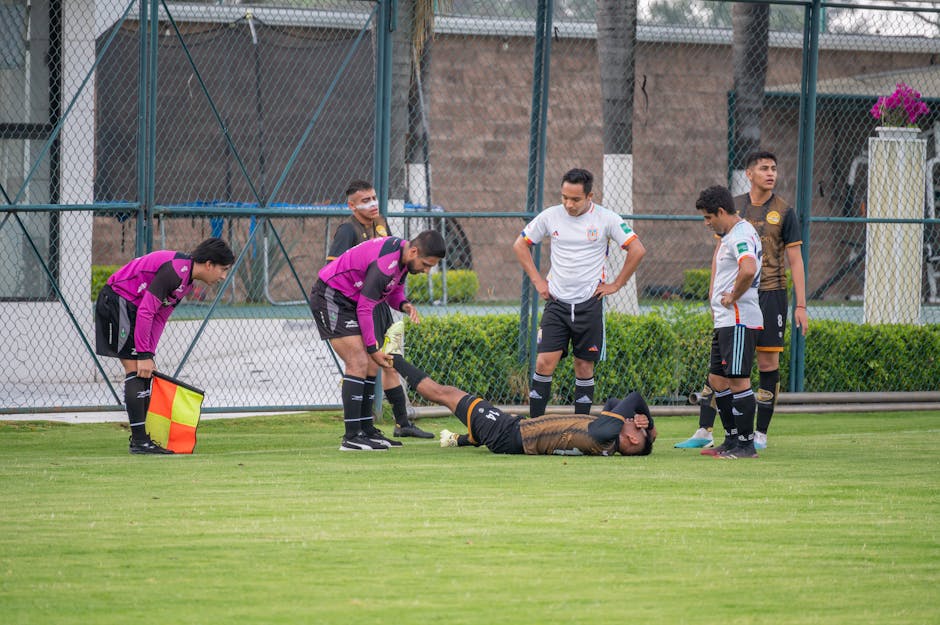
- Osteoarthritis: Wear and tear in the joint, leading to stiffness and worsening pain. Common in footballers from repetitive joint stress. Persistent pain: Pain lasting more than 3-6 months, often outlasting the original injury and significantly affecting life outside football. Reduced career longevity: Injuries that don’t heal well or flare-ups lead to early retirements and ongoing disability.
Active Rehabilitation: The Real Game Changer
The best evidence supports an active rehab approach that focuses less on erasing pain and more on improving function. This involves:
1. Graded Exercise
Step-by-step increases in activity that enable the player to build confidence and strength without flaring pieandbovril.com symptoms. It’s about patience, consistency, and progress rather than all-or-nothing.
2. Strengthening
Building muscular support around injured or vulnerable joints lessens cumulative load and improves stability — helping reduce future injury risk and improving tolerance to pain.
3. Education
Helping players understand what their pain means or doesn’t mean is crucial to breaking stigma and fear. When they know that pain isn’t always harm, they can push themselves wisely.
Emerging Tools and Guidance for Players
As football medical teams adapt, players now have more resources to guide sensible pain management rather than chasing zero pain. Here are some examples worth knowing:
1. UK Anti-Doping (UKAD) Guidance
UKAD provides clear information on what substances are allowed or banned in sport. Pain management treatments must comply with these rules to avoid doping violations:
- Visit UKAD Guidance on Therapeutic Use Exemptions Players looking to try medications like medical cannabis need to be aware of the legal frameworks before use.
2. Private Clinic Pathways for Medical Cannabis
Medical cannabis has gained traction as an option for managing chronic pain where other avenues have failed. Private clinics offer careful pathways including:
- Comprehensive assessment of appropriateness. Monitoring for side effects and efficacy. Guided use respecting anti-doping regulations.
While it’s not a silver bullet, it represents an alternative that some players are exploring for better quality of life under chronic pain conditions.
Setting Realistic Functional Goals: The Key to Sustainable Pain Management
The focus for players, coaches, and medical staff should shift toward what players can do rather than what these painful injuries prevent. Some suggestions:
Identify sport-specific activities that can be safely tolerated and gradually increased. Set measurable milestones: e.g., “I want to jog 10 minutes pain-free” versus “I want zero pain before return.” Use patient-reported outcome measures to track progress beyond just pain levels. Build in mental health support – dealing with chronic pain in football is challenging psychologically.Final Thoughts
Chronic pain in football isn’t a sign of weakness or failure – it’s part of a career full of microtraumas, battles, and triumphs. The culture needs to pivot away from stigma towards realistic, function-based, evidence-backed approaches.

Chasing zero pain often puts players on a treadmill to nowhere, whereas chronic pain management focuses on getting players back to what matters — their sport, their life, and overall wellbeing. As footballers, you deserve strategies that work long-term, build resilience, and respect the realities of how bodies heal.
Next time you feel your knee, ankle, or back niggle, ask yourself: what has changed in the last 6 weeks? What am I getting stronger at now? That’s the kind of question that keeps you moving forward, not stuck chasing a pain-free mirage.