In the rough-and-tumble world of football, especially in the lower leagues, pain and injury are often met with a mix of stoicism and silence. The culture praises playing through discomfort—sometimes dangerously so—while stigmatizing those who report persistent pain. But with increasing awareness of long-term consequences like osteoarthritis and chronic pain syndromes, there’s a growing need to understand how to manage health within the sport’s demanding framework. For players using certain medications, understanding the Therapeutic Use Exemption (TUE) process is crucial—not just for compliance but for ensuring safety and well-being.
What is a Therapeutic Use Exemption (TUE)?
A Therapeutic Use Exemption, or TUE, is essentially an official permission granted to athletes allowing them to use a banned substance or method for legitimate medical reasons without breaching anti-doping rules.
In practical terms, if you have a medical condition that requires treatment with a substance on the World Anti-Doping Agency’s (WADA) prohibited list, a TUE must be obtained in advance. This means you apply for and receive permission before you use the medication in competition or training that is subject to anti-doping control.
UK Anti-Doping (UKAD) is the official body governing anti-doping processes in the UK, and their website guidance on TUE applications is the go-to source for detailed requirements and step-by-step procedures.
Why Is a TUE Important?
- Compliance: Without a TUE, use of prohibited substances—even if for genuine medical reasons—can lead to sanctions, including bans. Transparency and fairness: The TUE system ensures that athletes who require medications on medical grounds do not gain an unfair performance advantage. Health and safety: It encourages athletes to seek appropriate treatment without fear of inadvertent doping violations.
Football Culture and the Stigma Around Reporting Pain
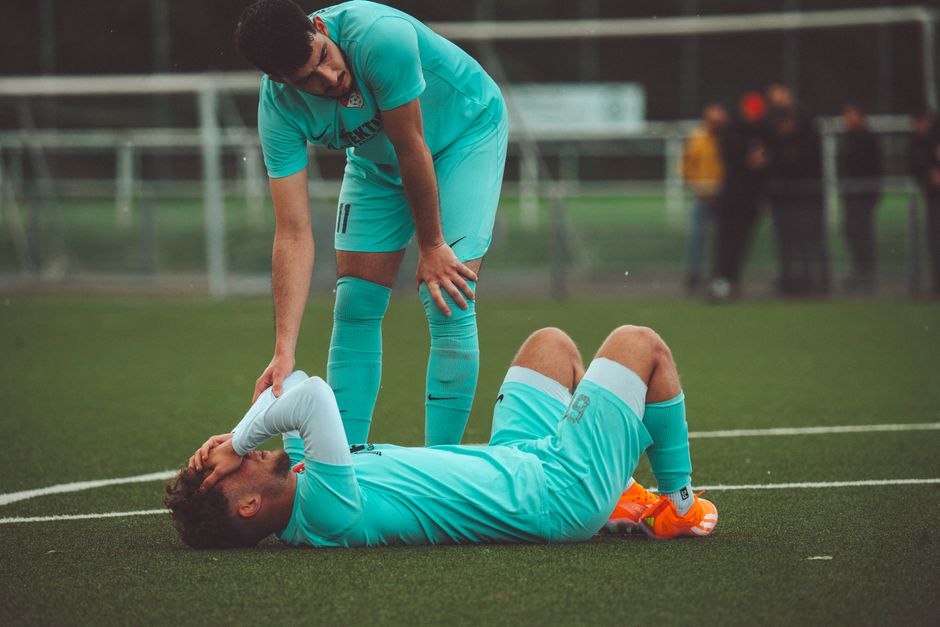
For decades, the football scene—especially in the gritty lower leagues—has been steeped in a culture of “playing through the pain.” Players are often reluctant to admit to discomfort or injury for fear of being labeled weak or losing their place, and sometimes coaches or management discourage reporting pain to avoid “looks of softness” in the dressing room.
This attitude leads to a dangerous pattern of imperfect healing where injuries are patched up superficially or ignored, increasing the risk of progression towards long-term problems. The mismatch between playing demands and tissue recovery cycles sets the stage for chronic issues like persistent joint pain and early onset osteoarthritis.
Long-Term Consequences: Osteoarthritis and Persistent Pain
When injuries in football are not properly managed or rehabbed, they may cause:
- Osteoarthritis: The wear-and-tear joint disease that sometimes strikes prematurely in footballers with a history of knee or ankle injuries. Persistent pain from central sensitisation: A complex mechanism where the nervous system becomes overly reactive, amplifying pain signals beyond the original injury area.
Cumulatively, repeated microtrauma combined with inadequate healing can lead to cumulative loading on joints and tissues. Without addressing the cause and improving tissue capacity, pain can become persistent and disabling.
Mechanisms Behind Persistent Pain and Injury in Football
It’s worth breaking down why many players end up stuck in a cycle of pain and injury despite their best efforts:
Imperfect healing: Especially in the case of cartilage, ligaments, or tendons, these tissues don’t always fully restore after injury. Scar tissue and altered biomechanics can cause uneven load distribution. Cumulative loading: Each match or training session applies stress to healing tissues. Without proper recovery or rehab, the damage adds up. Central sensitisation: The nervous system “remembers” pain, leading to hypersensitivity and perception of pain even when tissues have healed.These insights highlight why just “resting” isn’t a realistic or sufficient solution. You need active strategies for recovery and rehabilitation.
The Anti-Doping Medical Process and Getting a TUE
From an athlete’s perspective, the key points about the Article source anti-doping and TUE process are:

- The need to declare all medications you take, especially those that may contain substances on the banned list. TUE applications have to be made with supporting medical evidence, including diagnosis, medical history, and treatment plan. Applications are reviewed by approved committees who assess whether the medical need justifies the exemption.
The bottom line: a TUE has to be obtained in advance. Reactively trying to sort it out after you’ve begun using a banned medication risks sanctions and potentially jeopardizes your playing career.
Private Clinic Pathway: Medical Cannabis and TUEs
Recently, medical cannabis has become a topic of interest for pain management in musculoskeletal (MSK) conditions common in footballers. Some players explore treatment through private clinics, which may support the TUE application process if medical cannabis is prescribed for a legitimate condition.
However, navigating this pathway requires extra care:
- You must ensure the product prescribed complies with UK laws and anti-doping regulations. Communicate thoroughly with healthcare professionals who understand the sporting and regulatory context. Submit a well-documented TUE application via UKAD. The private clinic can assist with medical evidence but doesn’t grant exemptions.
If you’re considering this, check UKAD’s guidance and seek advice early—don’t leave it to the last minute.
Active Rehabilitation: The Key to Long-Term Outcomes
Once the legal and medical hurdles are sorted, managing your injury or chronic pain with active rehab is vital. Passive approaches and vague advice like “just rest it” won’t cut it.
Graded Exercise and Strengthening
To promote healing and avoid re-injury, you osteoarthritis retired footballers need a strategy that gradually increases the load on tissues, improving their strength and resilience without provoking flare-ups.
- Graded exercise: This means starting with low-intensity movement and progressively increasing difficulty and load over weeks. Strengthening: Targeting key muscle groups supporting injured joints—especially the knee, ankle, and hip in footballers—helps protect vulnerable areas.
It's about building capacity to tolerate the sport’s demands, rather than simply avoiding use.
Final Thoughts: Navigating Pain, Medication, and Compliance in Football
Footballers at all levels face a tough balance: they want to perform, avoid falling behind, and manage injuries carefully. Embracing openness around pain and respecting the anti-doping medical processes—like obtaining a TUE in advance—is part of a modern player’s toolkit.
For those wrestling with chronic issues, remember that:
- Ignoring pain or merely “playing through it” invites long-term damage. Medical treatments should be transparent and within anti-doping rules. Active rehab and graded strengthening are the real foundations of recovery.
Understanding the therapeutic use exemption protocols and taking rehab seriously will keep you fit, compliant, and ahead of the game in the long run.
Useful Links
- UKAD TUE Guidance UK Anti-Doping Official Website