CBD products have become wildly popular for wellness, pain relief, and relaxation. But with so many brands and formulas flooding the market—from oils to gummies to creams—it can be tough to know what's really inside your bottle. That’s where a CBD Certificate of Analysis, or COA, comes into play. Many consumers ask, " What does COA CBD meaning really Homepage mean for my safety and results?" and " Do I actually need one?"
In this article, we'll break down what a COA entails, why it's essential for CBD potency verification and CBD purity testing, and how to use tools like third-party lab results and independent reviews from companies and platforms such as Pillreports, Enlighten, and Releaf (releaf.co.uk) to shop smartly. You’ll walk away knowing exactly how to protect yourself from unregulated risks and ensure quality in your CBD purchases.
What Is a CBD Certificate of Analysis (COA)?
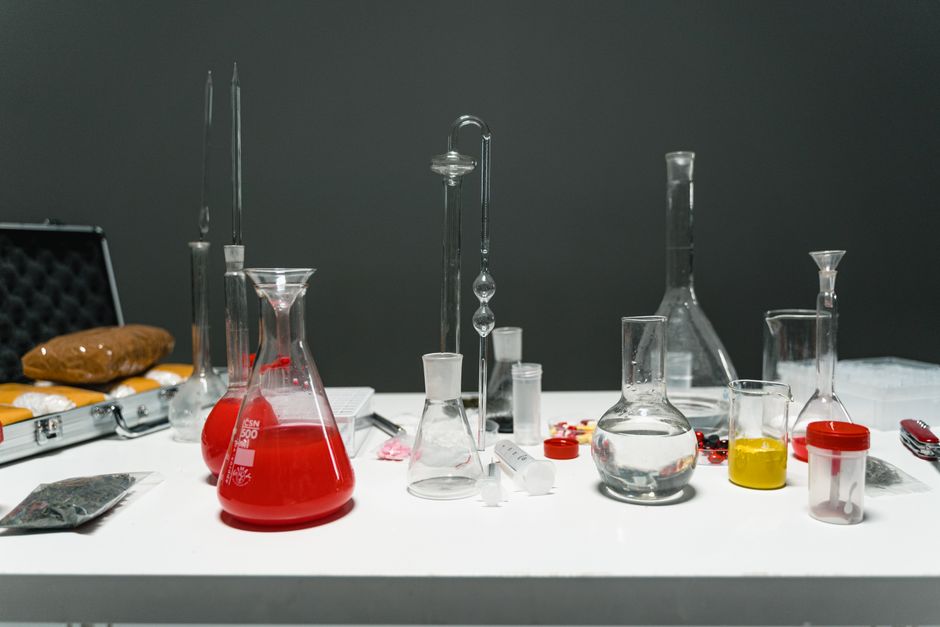
A Certificate of Analysis (COA) is a detailed laboratory report showing the chemical composition of a CBD product batch. It’s conducted by an independent, accredited lab using validated test methods. The report typically shows:
- CBD potency verification: The precise amounts of cannabidiol (CBD) and sometimes other cannabinoids like THC, CBN, and CBG. Purity and contaminants screening: Checks for moulds, pesticides, heavy metals, residual solvents, and microbial contaminants. Batch information: Identifies the exact batch tested, linking the report to the physical product. Testing date and lab credentials: Confirms when and where the tests were conducted, establishing credibility.
Simply put, a COA answers: "What exactly is inside my CBD product, and is it safe?"
Why Does Having a COA Matter?
1. Regulated vs. Unregulated Risk
The CBD market remains largely unregulated in many countries, including the UK and US. This absence of strict oversight opens the door for products with:
- Unknown or inaccurate CBD potency Dangerous contaminants such as pesticides, mould, or heavy metals Undeclared THC levels that could cause psychoactive effects or legal issues Batch-to-batch inconsistency, making it hard to predict effects or dosages
Without reliable lab testing and public COAs, you’re essentially guessing what you’re putting into your body. This increases health risks and undermines the value of CBD’s potential benefits.
2. CBD Potency Verification
Manufacturers often state CBD content in milligrams on product labels. However, industry analysis shows that many products either overstate or understate their CBD concentration significantly. Some found discrepancies upwards of 200%. This variability can lead to ineffective dosing or unexpectedly strong effects.
A third-party lab’s CBD potency verification displayed on a COA lets you verify these claims independently. Transparent companies will publish these COAs online or provide them upon request, enabling you to confirm the true CBD strength before purchasing.
3. Contaminants—Mould, Pesticides, Heavy Metals
CBD is extracted from hemp plants grown outdoors. Without careful cultivation and processing, these plants can attract mould, fungi, pesticides, herbicides, or accumulate heavy metals from soil.
Contaminated CBD products pose serious health risks, especially for immune-compromised users, children, or pregnant women. That’s why COAs include tests for:

- Pesticides: Harmful agricultural chemicals not intended for human consumption Mould and mycotoxins: Toxic fungal residues that can cause allergic or respiratory reactions Heavy metals: Such as lead, arsenic, cadmium, and mercury Residual solvents: Chemical traces from extraction processes
When a brand like Releaf or companies reviewed on Pillreports show transparent lab results with undetectable or safe levels, it builds trust that their products won’t compromise your health.
How To Use Third-Party Lab Results and Independent Reviews
Third-party testing means the lab conducting analyses is independent of the manufacturer and has no incentive to bias results. This is the gold standard for ensuring accuracy and integrity.
Steps to Verify a COA
Request or locate the COA: Most reputable brands publish these online or make them available on request. Check the batch number: Confirm the COA matches the specific batch or lot of your product. Look for cannabinoid profile: Confirm the CBD value aligns with label claims and THC is within legal limits (<0.2% in the UK, <0.3% in the US). <strong> Review contaminants testing: Ensure no harmful chemicals, mould, or metals detected beyond safe thresholds. Note the testing date and lab accreditation: The lab should be independent and accredited to ISO standards or similar.Platforms like Pillreports also collect user feedback and independent reviews. Combined with COAs, these tools offer a fuller picture of a product’s real-world performance and reliability.
Similarly, Enlighten provides educational resources to help decode complex lab reports, making it easier to understand technical data without getting overwhelmed.
Do You Need a CBD Certificate of Analysis?
If you care about safety, dosage accuracy, and long-term results, the answer is an unequivocal yes.
Here’s why:
- Without a COA: You risk buying a product with unknown potency and harmful contaminants. With a COA: You gain confidence your product matches its label and is free from dangerous substances. Regulatory compliance: Products that openly share COAs tend to adhere more closely to legal mandates and quality standards. Informed dosing: Accurate cannabinoid profiles help you tailor your CBD intake effectively.
When shopping at verified suppliers like Releaf, always look for clear COA access on their website or product packaging. Avoid sellers who claim lab testing but do not provide documentation.
Common Misconceptions About COAs and CBD Testing
- "All CBD is basically the same, so testing isn't necessary." This is false. Even small differences in CBD concentration and contaminants can drastically affect safety and effectiveness. "If it smells or tastes natural, it must be safe." Appearance and smell are poor indicators of purity. For example, mould can be invisible, and pesticides are odorless. "Home testing kits or self-diagnosing symptoms are sufficient." Lab analysis provides quantified data no consumer sense can reliably duplicate.
Summary Table: Why COAs Are Essential
Aspect Without COA With COA Potency Verification Unknown or inaccurate CBD content Quantified, label-matching CBD amounts Contaminant Screening Potentially harmful pesticides, mould, metals Verified absence or safe levels of contaminants Batch Consistency High variation, unpredictable effects Traceable, consistent product batches User Confidence Low, unknown risks High, safety and efficacy backed by dataFinal Thoughts
In an unregulated or semi-regulated industry, trust without verification can be dangerous. A CBD Certificate of Analysis (COA) is your most reliable assurance that what you’re consuming is safe, accurately dosed, and free from harmful substances. what is drug checking Use third-party lab results, cross-check independent reviews on platforms like Pillreports and Enlighten, and buy from transparent companies like Releaf to protect your health and wallet.
Remember: Always ask yourself, "What does the lab report actually say?"
```