Living in a Singapore humid home is no small challenge. The tropical climate brings about high humidity levels year-round, affecting not just comfort but also the health and durability of your home. Humidity-friendly design isn’t just an aesthetic choice; it’s a vital health driver that influences indoor air quality, mould growth, and overall wellbeing.
In this post, I’ll break down practical ideas to reduce stuffy rooms, maximise ventilation, choose moisture-resistant materials, and prevent mould through smart layouts and detailing. These are insights gathered from years of interviewing interior designers and design-build firms right here in humid Singapore.
Why Home Design is a Health Driver in Humid Climates
Too often, mould and dampness issues are dismissed as mere cleaning problems. They are not. Persistent damp can trigger respiratory problems, allergies, and aggravate asthma—common concerns in humid Singapore homes. Effective home design tackles humidity at the source. It controls moisture, improves airflow, and uses materials immune to deterioration from damp conditions.
Think of your home as a health asset, not just shelter. Smart design reduces mould spores circulating indoors, maintains fresh air movement, and limits condensation. This proactive approach leads to a more comfortable and healthier living environment.
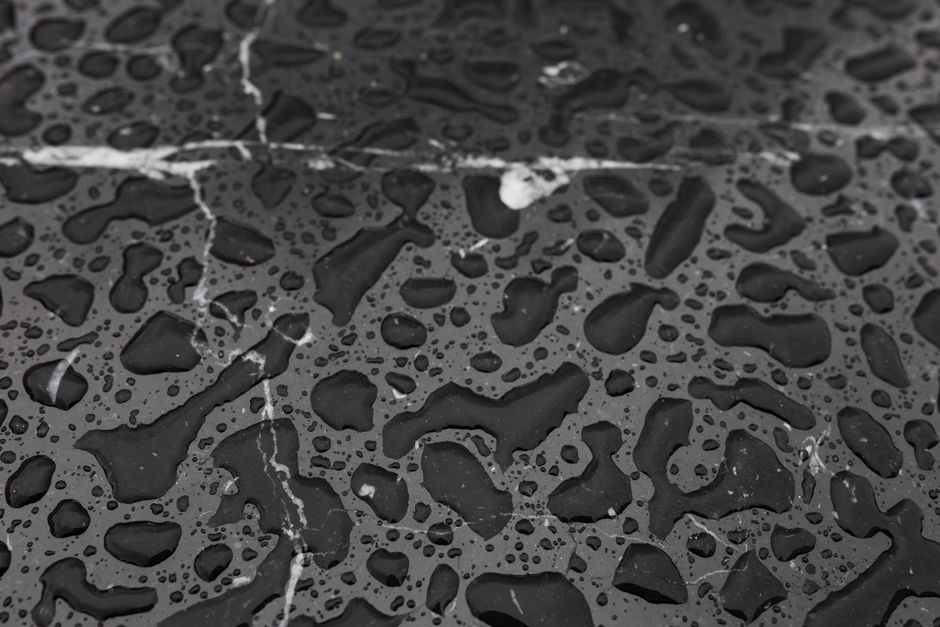
Choosing the Right Materials for Hygiene and Moisture Resistance
Not all building materials cope well with constant humidity. Some absorb moisture, fostering mould growth or warping over time. Here’s what to look for:
Flooring
- Ceramic and Porcelain Tiles: These are excellent for wet areas like bathrooms and kitchens. They resist moisture penetration and are easy to clean. Vinyl Flooring: Modern vinyl planks are water-resistant and offer some cushioning underfoot, good for humid zones. Avoid: Natural wood flooring unless treated specifically for high humidity, as it can warp or rot.
Wall Finishes
- Mould-Resistant Paints: Choose paints designed for humid environments which contain anti-fungal additives to inhibit mould growth. Moisture-Resistant Gypsum Boards: Use these in bathrooms and kitchens for walls and ceilings. Tiles or Stone Cladding: Ideal for high-moisture zones; they provide durable moisture barriers.
Cabinetry and Furnishings
- Use Plywoods with Water-Resistant Glue: Marine-grade plywood or moisture-resistant MDF boards are wise choices for kitchens and bathrooms. Avoid: Particle boards or untreated wood furniture prone to swelling.
Ventilation and Airflow Planning to Reduce Stuffy Rooms
In humid Singapore, good airflow is your first line of defense against stuffy rooms and mould. Many homes suffer from poor ventilation due to sealed windows or closed-off layouts that trap moist air inside.
Design Principles for Improved Ventilation
Cross-Ventilation: Position windows or vents opposite each other to allow uninterrupted airflow. This is critical for bedrooms and living areas. Stack Effect Ventilation: Use high ceiling vents or clerestory windows to allow hot, moist air to rise and exit naturally. Avoid Dead Zones: Corridors and enclosed spaces can trap moisture. Design open plans or use louvered doors to encourage airflow.Ventilation Tools and Systems
- Exhaust Fans: Install in bathrooms and kitchens to remove moisture-laden air directly. Ceiling Fans: Promote air circulation and reduce the sensation of humidity. Mechanical Ventilation with Heat Recovery (MVHR): Some high-end homes use these systems to bring in fresh air while minimizing energy loss.
Mould Prevention through Smart Layout and Detailing
Mould loves dark corners, unnoticed leaks, and cold surfaces where moisture condenses. Good home layout and construction detailing can prevent these triggers.
Key Layout Considerations
- Separate Wet and Dry Zones: Bathrooms and kitchens should be carefully isolated from living and sleeping areas to limit moisture migration. Elevate Wet Areas: Raised or sloped floors prevent water from pooling during spills or leaks. Use Boot or Service Corridors: They act as buffer zones reducing moisture transfer from utility spaces.
Construction and Design Details
- Seal All Gaps and Cracks: Prevent water ingress from rain or plumbing leaks. Install Proper Flashings: On roofs and windows to shed rainwater effectively. Use Moisture Barriers: Under concrete slabs and behind wall finishes to stop rising damp. Ensure Good Lighting: Mould often thrives in poorly lit areas; bright spaces reduce growth. Maintain Staircase Lighting: This is a niche but critical detail often overlooked—dark, humid stairwells are mould hotspots.
Examples of Humidity-Friendly Design in Singapore Homes
Design Feature Benefit Recommended Materials or Solutions Open Floor Plan Encourages airflow and reduces stagnant air pockets Louvered doors, large cross-ventilated windows, minimal partitions Tile Flooring Resists moisture accumulation and easy to clean Porcelain or ceramic tiles with non-porous grout Bathroom Exhaust Fans Removes damp, stale air quickly High-efficiency quality exhaust fans venting outside Anti-Mould Paint Inhibits mould spores on interior surfaces Commercial anti-fungal paints rated for humid environments Elevated Kitchen Counters and Cabinets Prevents water damage and mould under cabinetry Marine plywood with waterproof sealantsKeep Learning and Stay Connected
I've seen this play out countless times: was shocked by the final bill.. If you're interested in diving deeper into home health and humidity-friendly design, follow YourHealthDMV on Facebook for health-driven home tips. For professional networking or to connect with experts in Singapore’s design-and-build industry, check the stay connected section on LinkedIn.
Final Thoughts
Designing a Singapore home that excels in humid conditions requires more than just choosing pretty furnishings. It demands informed yourhealthmagazine.net decisions about materials, ventilation, and detailed construction to keep mould and stuffiness out. The payoff is a healthier, more comfortable home that stands the test of time.
Remember, humidity-friendly design is a proactive health investment. Start early, collaborate with contractors who understand tropical climates, and don’t overlook the small details like stair lighting or sealing gaps. Your lungs and your walls will thank you.
